
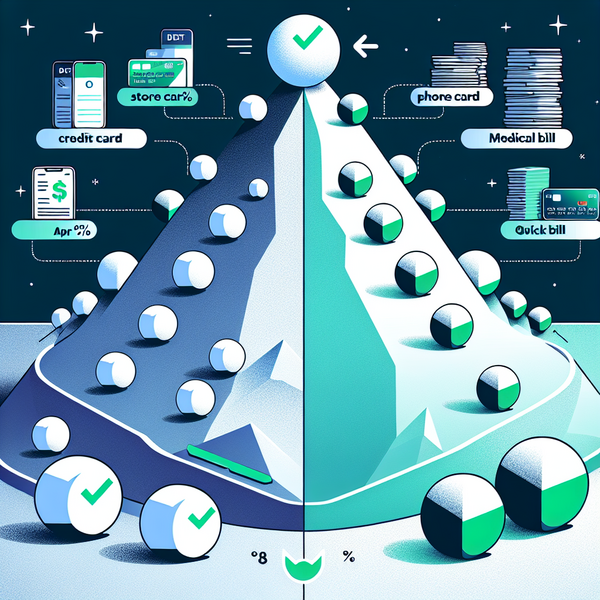
Feeling buried under a mountain of debt can be overwhelming. Between juggling interest rates and minimum payments, it’s easy to feel stuck. Luckily, there are proven strategies to help you regain control—two of the most popular being the Snowball Method and the Avalanche Method. Both can lead to financial freedom, but they take different paths. Understanding how they work can make all the difference in choosing the best approach for your situation.
Understanding the Snowball Method for Paying Off Debt
The Snowball Method focuses on building momentum and motivation. With this approach, you start by paying off your smallest debts first, regardless of interest rate. As each balance disappears, you gain confidence and enthusiasm to tackle the next one.
How the Snowball Method Works
- List all your debts from the smallest balance to the largest.
- Make minimum payments on all debts except the smallest one.
- Put as much extra money as possible toward paying off that smallest debt.
- Once it’s paid, roll the payment amount into the next smallest debt.
- Repeat until all debts are gone.
This method mimics a snowball rolling downhill—starting small but picking up speed as you go. The sense of progress keeps motivation high, which is often the hardest part of staying committed to debt repayment.
Advantages of the Snowball Method
- Quick wins: Seeing small debts disappear fast creates a powerful psychological boost.
- Motivation: The feeling of accomplishment helps sustain long-term commitment.
- Simplicity: The method is easy to understand and apply.
Disadvantages of the Snowball Method
- Higher interest costs: Because interest rates are ignored, you might pay more in total interest.
- Not always the most efficient: It may take longer overall to become debt-free compared to other strategies.
Understanding the Avalanche Method for Paying Off Debt
The Avalanche Method is a more analytical and cost-efficient approach. Instead of focusing on small balances, it prioritizes the debts with the highest interest rates first. The goal is to minimize the total interest paid over time, helping you reach debt freedom faster.
How the Avalanche Method Works
- List all your debts from highest to lowest interest rate.
- Make minimum payments on all debts except the one with the highest interest.
- Apply any extra money to the highest-interest debt.
- When it’s paid off, move to the next highest interest rate.
- Continue until every debt is cleared.
This method might take longer before you eliminate your first debt, but it saves more money overall. By reducing interest faster, you cut both time and total cost of repayment.
Advantages of the Avalanche Method
- Lower total interest: By focusing on the most expensive debt, you save money over time.
- Faster debt payoff: If you stay consistent, you can reach financial freedom sooner.
- Efficient strategy: This method prioritizes math over emotion, leading to optimal results.
Disadvantages of the Avalanche Method
- Slower emotional rewards: Your first win might take longer, which can affect motivation.
- Complexity: Requires careful tracking of interest rates and balances.
Snowball Method vs. Avalanche Method: Key Differences
While both methods aim for the same goal—paying off debt—they differ in psychology and efficiency. Choosing between them largely depends on your personality, habits, and financial circumstances.
Comparing Motivation vs. Logic
The Snowball Method is all about emotional momentum. If motivation tends to slip, this method keeps you engaged. The Avalanche Method, however, appeals to those who value efficiency and numbers, offering the satisfaction of saving more in interest.
Speed of Debt Elimination
The Avalanche Method usually leads to faster debt payoff overall, since it targets high-interest balances first. Yet, the Snowball Method can help prevent quitting early by providing those satisfying quick wins.
Total Interest Paid
When comparing total costs, the Avalanche Method tends to save more money. The Snowball Method might incur higher interest payments, but the motivation factor could still make it worth it for some individuals.
Psychological Impact
The emotional effect of seeing small debts vanish quickly cannot be underestimated. For many, progress is the fuel that keeps them going. The Avalanche Method may be more efficient on paper, but it requires discipline to stay the course until visible progress appears.
Which Debt Payoff Method Is Right for You?
Deciding between the Snowball and the Avalanche Method depends on what motivates you most—emotional satisfaction or financial efficiency. The truth is, the best method is the one you’ll actually stick with.
When to Choose the Snowball Method
- You feel discouraged about debt and need quick wins.
- You prefer a clear, simple plan.
- You thrive on visible progress and motivational rewards.
When to Choose the Avalanche Method
- You want to minimize total interest costs.
- You are comfortable tracking numbers and staying disciplined.
- You’re motivated by long-term savings over short-term victories.
Combining the Snowball and Avalanche Methods
Some savvy individuals blend both techniques. You can start with the Snowball Method to gain momentum, then switch to the Avalanche Method once you’re more confident and committed. This hybrid approach offers early motivation with later optimization, striking a balance between psychology and efficiency.
How to Create a Personalized Debt Payoff Plan
To build a strategy that fits your lifestyle, follow these steps:
- Gather all debt details—balances, interest rates, and minimum payments.
- Set realistic goals and a monthly budget.
- Choose your preferred method: Snowball, Avalanche, or a mix of both.
- Automate payments to stay consistent.
- Track progress monthly and celebrate milestones.
Tips for Staying Motivated During Debt Payoff
Regardless of the method you choose, consistency is key. Here are a few practical ways to keep yourself motivated along the journey to becoming debt-free:
- Visualize success: Keep a chart or tracker of your remaining balances.
- Reward progress: Celebrate milestones in small, meaningful ways.
- Seek accountability: Share your goals with a friend, partner, or financial coach.
- Adjust as needed: Life changes. Stay flexible and reassess your plan if necessary.
Final Thoughts on Snowball Method vs. Avalanche Method
Both the Snowball Method and the Avalanche Method are effective tools for tackling debt. The Snowball focuses on motivation; the Avalanche emphasizes efficiency. Your personality, goals, and financial habits will determine which method suits you best.
Remember, becoming debt-free isn’t just about math—it’s about mindset. Whether you choose the motivating momentum of the Snowball or the cost-saving logic of the Avalanche, the most important step is starting today. Every payment brings you closer to financial freedom and peace of mind.