
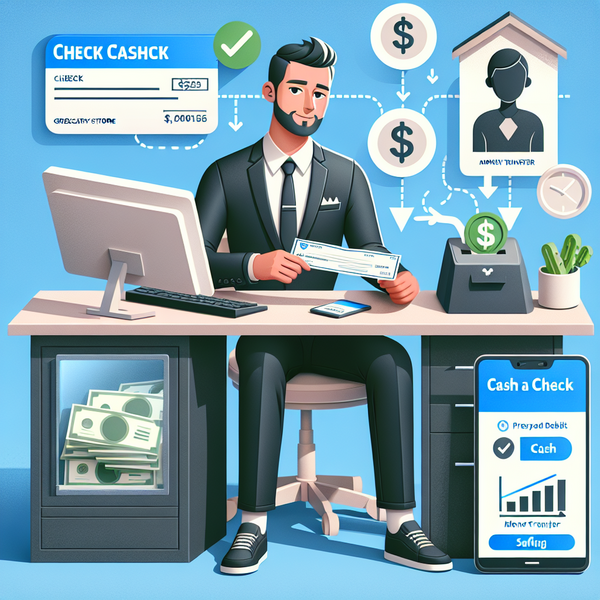
You’ve just received a check, but there’s one small problem—you don’t have a bank account. Don’t worry; you’re not alone. Many people face the same situation every day. Whether you’re unbanked by choice or circumstance, you still deserve to access your money quickly and affordably. The good news? There are several safe and low-cost ways to cash a check without paying a fortune in fees.
Understanding How to Cash a Check Without a Bank Account
Cashing a check without a bank account doesn’t have to be complicated. It simply means you need to use an alternative service that can verify and pay out your funds, usually for a small fee. The key is knowing your options and comparing the costs to find the lowest fees.
Best Places to Cash a Check Without a Bank Account (Lowest Fees)
1. Cash the Check at the Issuing Bank
If the check was issued by a major bank, visiting the same bank is often the most direct and secure option. Most banks will verify the check against the account it’s drawn from and issue cash on the spot.
- Pros: Fast, secure, and reliable.
- Cons: Some banks charge a small fee for non-customers, commonly between $5–$10 or a small percentage of the check amount.
- Best for: Payroll or business checks from well-known banks.
To minimize fees, call ahead and ask if there’s a way to avoid or reduce costs, such as by presenting identification or cashing smaller checks.
2. Try a Retail or Grocery Store
Many large retailers and grocery store chains now offer check-cashing services. These services are known for longer hours and accessible locations.
- Pros: Convenient, extended hours, and lower fees than payday stores.
- Cons: Limited check types accepted; usually excludes personal checks.
- Typical fees: Around $3–$8 depending on the check amount.
For smaller checks, this might be the most affordable and practical option. Always check the retailer’s policy on limits and ID requirements.
3. Use Prepaid Debit Cards with Mobile Deposit
Some prepaid debit cards allow you to deposit checks through a mobile app. You take a photo of your check, upload it, and the funds are added to your card once verified.
- Pros: Fast, digital, and no need to visit a physical location.
- Cons: Funds may take a few days to clear; some cards charge a reload or deposit fee.
- Best for: Regular check recipients needing frequent deposits.
To keep costs low, choose a prepaid card that waives reload fees for mobile check deposits.
4. Check-Cashing Stores and Payday Loan Centers
While they’re easy to find, check-cashing stores can be costly. They typically charge fees based on a percentage of your check.
- Pros: Fast access to cash.
- Cons: High fees, sometimes up to 10% of the check value.
- Best for: Emergency situations only.
If you must use this option, compare stores in your area; some may offer promotions or lower rates for repeat customers.
5. Third-Party Mobile Apps
Modern financial apps allow check deposits directly to your account balance or linked debit card. Some even work without a traditional bank account.
- Pros: Convenient, app-based, and often free for standard deposits.
- Cons: Instant transfers may incur small fees.
- Best for: Tech-savvy users who want quick access to funds digitally.
Always check the app’s fee schedule and read reviews to ensure it’s secure and FDIC insured through a partner institution.
How to Cash a Check Without a Bank Account Safely
Security matters when handling checks outside of a bank. Always verify legitimacy before cashing.
- Check that names and dollar amounts match correctly.
- Look for watermarks and security features on the check paper.
- Bring at least two forms of ID: a state ID and secondary proof like a utility bill.
- Never endorse your check before reaching the service provider.
Following these precautions helps prevent identity theft and ensures a smooth transaction.
Tips to Get the Lowest Fees When Cashing Checks Without a Bank Account
Compare Before You Go
Fees can vary greatly between different check-cashing services. Spend a few minutes comparing options by phone or online before you go out.
Use a Combination of Options
For example, cash large checks at a bank and smaller ones at a retail store. This way, you’ll minimize the total amount spent on fees.
Opt for Direct Deposit When Possible
If you receive recurring payments like paychecks or benefits, ask if direct deposit to a prepaid card is available. This eliminates check-cashing fees entirely.
Avoid Unnecessary “Instant Deposit” Fees
Some apps and services charge extra for instant access to funds. Waiting one or two days can often save several dollars per check.
Keep Receipts and Records
Maintain proof of every check-cashing transaction. Having documentation helps in case there’s an error or dispute later.
Alternative Ways to Access Your Money Without a Bank Account
Money Order Exchanges
If someone often pays you by check, you can ask them to send money orders instead. Most grocery stores and convenience shops can cash them for minimal fees.
Open a Prepaid Debit Account
Prepaid debit cards act like small bank accounts without requiring credit checks. They can receive direct deposits, hold funds safely, and allow ATM withdrawals.
Use Your Employer’s Payroll Card
Some employers issue payroll cards that function similarly to prepaid cards. They’re often free and allow you to withdraw cash or make purchases directly.
Ask a Trusted Friend or Family Member
If someone you trust has a bank account, they can cash the check for you and give you the money. Just make sure both parties sign a short agreement or exchange a receipt.
Common Questions About How to Cash a Check Without a Bank Account
Can I cash a check without ID?
It’s difficult, but not impossible. Some services might accept alternative identification, such as an employer badge or government document. However, standard photo ID is almost always required.
How long does it take to get my money?
If you go to a bank or store, you’ll usually receive cash immediately. For mobile deposits, it can take from a few minutes to a few business days depending on the chosen service.
Is it safe to cash a check at retail stores?
Yes, major retailers have secure check verification systems. Always ensure you’re using a reputable store to protect yourself from scams or counterfeit-check issues.
What fees should I expect?
Fees generally range between 1% and 5% of the check’s value, but many services charge a flat rate for small checks. The more you compare, the more you save.
Should I open a bank account instead?
If possible, yes. A basic or online bank account can often be opened with no minimum balance and offers free mobile check deposits. But if you prefer alternatives, the methods above can help you manage your money efficiently.
Final Thoughts: Cashing Checks Without a Bank Account for Less
Cashing a check without a bank account is completely possible—and it doesn’t have to cost much. The secret is to know your options, plan ahead, and always double-check fees before committing. Whether you visit the issuing bank, a grocery store, or use a prepaid card, you can keep your costs low and access your money fast. By following these strategies, you’ll not only save on fees but also build a smart habit of managing your funds safely outside traditional banking systems.