
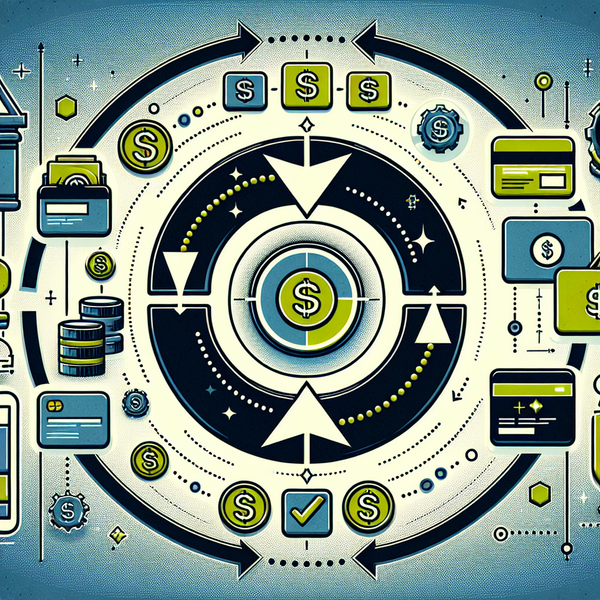
Imagine earning thousands of airline miles or cashback rewards without actually spending more money. For many, this sounds too good to be true, but it’s the core idea behind manufactured spending. This practice has become a fascinating—and sometimes controversial—topic in the world of credit card rewards. But what exactly is it, how does it work, and most importantly, is manufactured spending legal?
What Is Manufactured Spending?
Manufactured spending refers to strategies that allow individuals to meet credit card spending requirements or earn rewards without purchasing goods or services they truly need. Essentially, it’s a creative way to move money around to trigger rewards, points, or bonuses on a credit card.
When you open a new credit card, you’re often offered a lucrative sign-up bonus—perhaps tens of thousands of points—after spending a certain amount within a limited time frame. Instead of making traditional purchases, some people find alternative ways to “spend” the money, and then recover it.
How Manufactured Spending Works
The core idea of manufactured spending is to create the appearance of spending while getting your funds back in a usable form. Over time, enthusiasts have developed multiple techniques to do this, though many have been restricted by issuers or financial institutions.
Common Manufactured Spending Methods
- Buying gift cards: Purchasing prepaid gift cards with a credit card, then using those cards to pay bills, deposit into accounts, or liquidate back into cash.
- Money orders: Buying money orders with a credit card indirectly and then depositing them back into a bank account.
- Bill payment services: Using third-party payment platforms to pay credit cards or other bills with another credit card.
- Reloadable debit cards: Funding reloadable debit accounts with a credit card to meet spending thresholds.
Each of these methods plays on the idea of circulating money in a loop—spend with your card, unlock rewards, and recover most of the funds. It sounds appealing, but this cycle comes with potential complications.
Why People Use Manufactured Spending
Individuals are drawn to manufactured spending for several motivations:
- Meeting sign-up bonuses: One of the most popular reasons is meeting the minimum spend required for an introductory reward offer.
- Maximizing rewards: It allows cardholders to rack up points, airline miles, or cashback more rapidly than through normal spending.
- Leveraging promotions: Some credit cards offer promotional multipliers on specific types of purchases, which can be used creatively.
In many ways, manufactured spending reflects the ultimate game of optimizing credit and reward programs. However, like any strategy pushing system boundaries, it raises questions about sustainability and legality.
Is Manufactured Spending Legal?
This is perhaps the most debated question: Is manufactured spending legal? The answer isn’t completely black or white. Technically, manufactured spending itself is not inherently illegal, as long as it doesn’t involve fraud or deception. However, some methods used to execute it can easily cross into gray areas or violate terms of service.
The Legal Perspective
Under the law, there is no specific statute that declares manufactured spending illegal. What determines legality is the intent and method. If you’re artificially cycling money without misleading financial institutions, it may be permitted. However, if you misrepresent payment methods or use fraudulent information, that crosses into unlawful activity.
Card Issuer Terms and Conditions
While it may not be illegal in a criminal sense, most credit card issuers strictly forbid certain manufactured spending activities in their agreements. Violating these terms can lead to serious consequences:
- Account closure or suspension
- Loss of earned rewards or points
- Permanent bans from reward programs
So, even if you aren’t breaking a law, you could still face penalties from the card issuer. The difference between legal and acceptable is critical in this context.
Risks of Manufactured Spending
On the surface, manufactured spending sounds simple: move money, gain rewards, and avoid real losses. But the risks can outweigh the benefits for those who misuse or misunderstand the process.
- Account shutdowns: Banks closely monitor unusual transaction patterns. Excessive gift card or money order purchases can raise flags.
- Financial losses: Some manufactured spending methods involve fees, expiration dates, or liquidity problems that can lead to real cash loss.
- Negative credit implications: Frequent large transactions or sudden high balances might impact your credit utilization ratio.
- Tax considerations: Rewards themselves aren’t taxed, but if you are engaged in repetitive artificial transactions, it could attract scrutiny.
The key takeaway—while manufactured spending can be clever, it should be approached with caution, clear understanding, and adherence to all relevant rules.
Responsible Alternatives to Manufactured Spending
If you’re seeking to maximize your credit card rewards without risking account closure, there are legitimate and simple alternatives. These methods work within the rules and still help build your reward balance efficiently.
Better Ways to Earn Rewards
- Optimize daily purchases: Use the right card for groceries, gas, and travel—where multipliers are highest.
- Set recurring payments: Link your credit card to subscriptions, insurance, or utilities to meet spending targets naturally.
- Use bonus categories: Take advantage of specific merchant or seasonal offers provided by your issuer.
- Refer friends: Referral bonuses can often yield significant additional points without risky transactions.
These straightforward methods carry none of the potential ethical or legal pitfalls while still enabling consistent reward accumulation.
The Future of Manufactured Spending
Financial institutions continually update systems to detect irregular spending and prevent gaming of reward structures. As oversight increases, opportunities for manufactured spending become limited, and risks increase. In addition, emerging payment technologies and enhanced fraud detection tools make such practices more visible than ever before.
However, innovation in the rewards landscape also continues. New ways to earn rewards through legitimate spending categories, partnerships, and financial products could make manufactured spending obsolete in the near future.
Final Thoughts: Is Manufactured Spending Worth It?
Manufactured spending attracts attention because of its promise—earning perks quickly without additional real expense. Yet the reality is more complex. While some methods remain technically legal, the majority are prohibited by card providers and come with high risk.
If your goal is to boost your rewards efficiently, focus on maximizing legitimate strategies. Ultimately, the safest path is transparent, responsible, and sustainable. Playing within the system ensures long-term benefits while avoiding potential complications.
In short, manufactured spending is an intriguing concept—a blend of finance, creativity, and risk. But before diving in, understand the full picture: what it is, how it works, and whether it’s truly worth it for you.